|
|
|
|
|
|
cas 15827 60 8
|
|
corrosion inhibitor injection: LKP BTC provides systems and chemicals for "corrosion inhibitor injection," a process where a precise amount of inhibitor is continuously or periodically injected into a pipeline, cooling water system, or oil well to maintain a protective chemical concentration and prevent internal corrosion.
|
|
|
|
|
|
2 acrylamido 2 methylpropane sulfonic acid copolymer
|
|
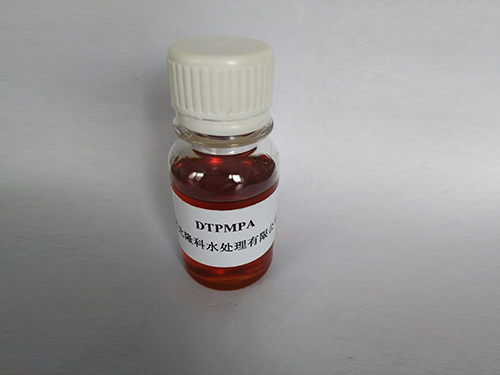
diethylene triamine penta / diethylene triamine penta methylene phosphonic acid / diethylenetriamine penta / diethylenetriamine penta methylene phosphonic acid / diethylenetriamine pentamethylene phosphonic acid / dtpmpa / dtpmp: LKP BTC manufactures "DTPMP" or "DTPMPA" (Diethylenetriamine Penta(Methylene Phosphonic Acid)), which is one of the most effective phosphonate inhibitors for scale control, particularly for inhibiting barium sulfate and strontium sulfate scales. It has excellent chelation ability across a wide pH range.
|
|
|
|
|
|
pb tc
|
|
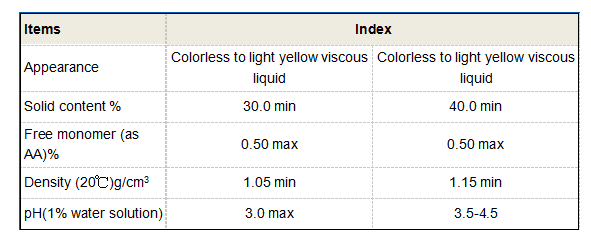
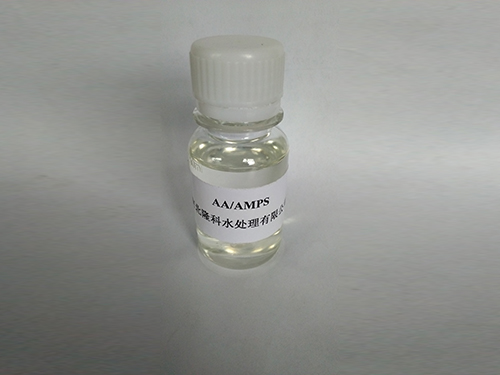
2 acrylamido 2 methylpropane sulfonic acid copolymer / aa-amps / cas 40623 75 4 / 40623 75 4: LKP BTC produces copolymers using "2-Acrylamido-2-methylpropane sulfonic acid" (AMPS). These "AA-AMPS" copolymers are highly effective dispersants and scale inhibitors, known for their superior thermal stability and resistance to hydrolysis in harsh water conditions. The CAS number for an AMPS copolymer is 40623-75-4.
|
|
|
|
- flocculant water treatment Services
|
|
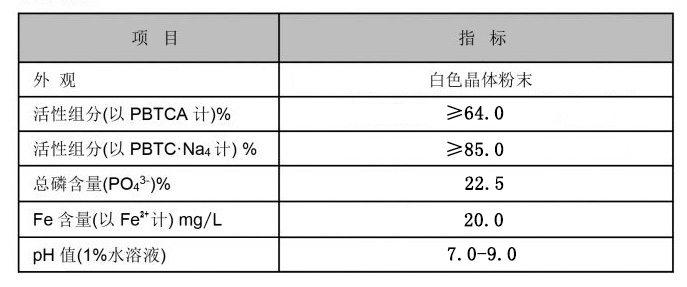
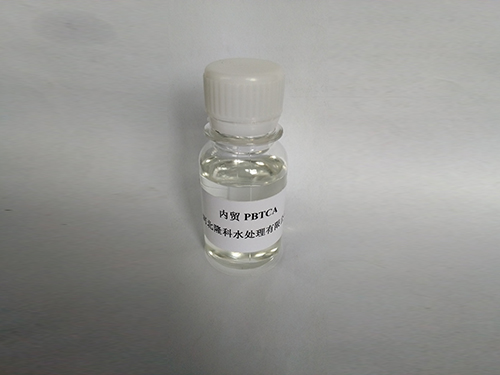
pbtc chemical pbtc: LKP BTC manufactures "PBTC" (Phosphonobutane Tricarboxylic Acid), a high-performance scale and corrosion inhibitor known for its excellent calcium carbonate inhibition and chlorine stability.
|
|
|

|
corrosion inhibitor for closed cooling water systems
|
|
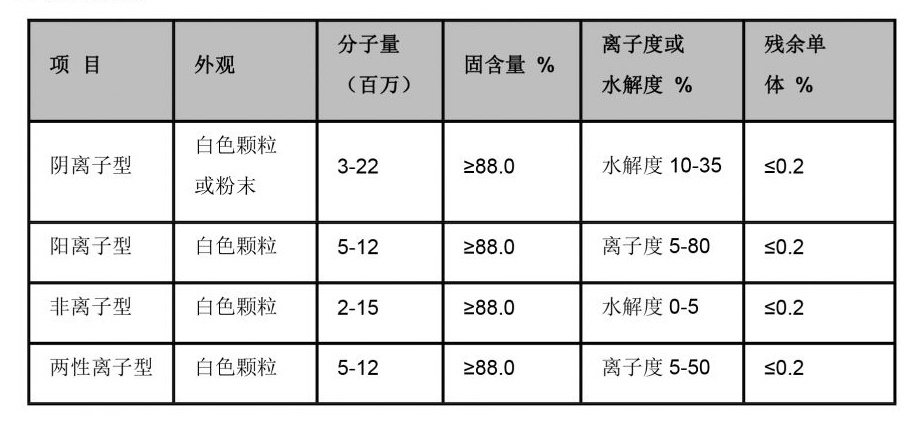
nonionic polyacrylamide / non ionic polyacrylamide / hydrolyzed polyacrylamide / partially hydrolysed polyacrylamide: LKP BTC offers "nonionic polyacrylamide" (N-PAM). This type has no charge and is used in situations where the suspended particles are neutral or where the water chemistry is sensitive to ionic changes. "Hydrolyzed polyacrylamide" is a form of anionic PAM where some amide groups have been converted to carboxylate groups.
|
|
|
|
|

|
steel corrosion inhibitor
|
|
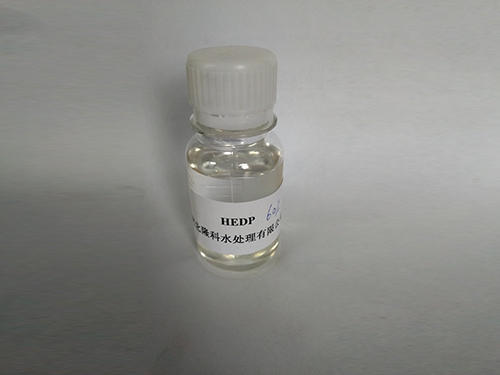
chelating agents / anti chelating agent / biodegradable chelating agents / ca chelating agent / calcium chelating agent / chelating agent chemistry / chelating agents drugs / chelating reagent / chelating sequestering agent / chemical chelating agent / chemical chelating agents / citrate chelating agent / citric acid chelating agent / common chelating agents / disodium edta chelating agent / edta chelating agent / edta chelating agent calcium / edta is chelating agent / egta chelating agent / ethylenediamine chelating agent / hedp chelating agent / hedta chelating agent / k chelating agents / natural chelating agent list / natural chelating agents / natural chelating agents examples / organic chelating agents / phosphate chelating agent / phosphorus chelating agent / phytic acid chelating agent / sequestering agent and chelating agent / sodium chelating agents / sodium citrate chelating agent / versene a chelating agent / agent chelator / bifunctional chelator / chelating compound / chelating properties / chelating solution / chelating substances / chelator / corrosion inhibiting compound / edta chelation chemistry / edta chelator / edta metal chelation / edta mg chelation / edta sequestering agent / egta chelator / phosphate chelator / sequestering agent edta: LKP BTC is an expert in "chelating agents" (or "sequestering agents"). These are chemicals that form soluble, complex molecules with metal ions (like "calcium," "magnesium"), preventing them from forming scale or interfering with processes. Their product line includes:• Synthetic: "HEDP," "EDTA," "DTPMP," which are powerful "chemical chelating agents."• "Biodegradable" & "Natural": "Citric acid," "Gluconic acid," and "Phytic acid."These "organic chelating agents" are used in water treatment, detergents, and personal care to control metal ions. They explain the "chemistry" and "properties" of these compounds in their technical literature.
|
|
|
|
|
|
flocculant water treatment Special Activities
|
|
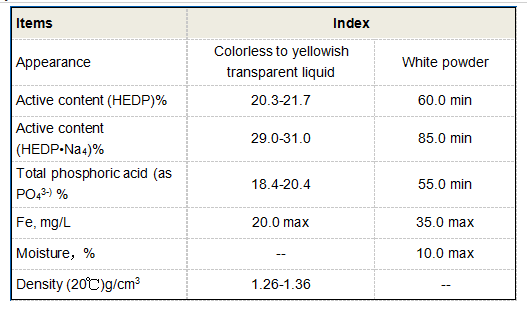
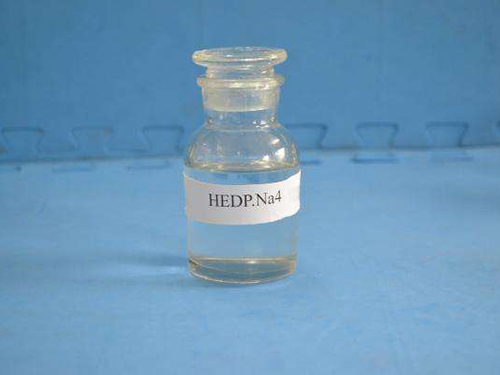
cas 29329 71 3 / 29329 71 3: This CAS number (29329-71-3) refers to the Tetrasodium salt of HEDP. LKP BTC produces this common form of HEDP for various industrial applications.cas 3794 83 0 / 3794 83 0: This CAS number (3794-83-0) refers to the Trisodium salt of HEDP. This is another variant of HEDP that LKP BTC can supply.
|
|
|
|
|
|
|
|
flocculant water treatment Hot Activities
|
|
hedp in soap: LKP BTC explains the application of "HEDP in soap" and detergent formulations. In this context, HEDP acts as a builder, chelating calcium and magnesium ions in hard water to prevent them from interfering with the cleaning action of the surfactants. This improves the efficiency of the soap or detergent.
|
|
|
|
|
|
|
|
Our Awesome Activities
|
|
dodecyldimethylbenzylammonium chloride / ddbac / dodecyl dimethyl benzyl ammonium chloride / benzododecinium / cas 8001 54 5 / cas 63449 41 2 / 63449 41 2 / 8001 54 5 / 63449 41 2 cas / 8001 54 5 cas / cas no 63449 41 2 / cas no 8001 54 5 / cas number 63449 41 2 / cas number 8001 54 5 / cas 139 07 1 / cas no 139 07 1: LKP BTC produces quaternary ammonium compound biocides, specifically "Dodecyldimethylbenzylammonium Chloride" (DDAC or "Benzododecinium"). This is a powerful disinfectant and algicide used in water treatment. The CAS numbers 139-07-1 (for DDAC) and 8001-54-5 or 63449-41-2 (for Benzalkonium Chloride mixtures) are associated with these types of products.
|
|
|
|
|
|
|
|
|
|
|
|
|
|
|
|
|
|
|
|
|
|
|
|
|
|
|
|
|
|
|
|
|
|
|
|
|
|
|
|
What Our Clients Say
|
|
hedp in soap: LKP BTC explains the application of "HEDP in soap" and detergent formulations. In this context, HEDP acts as a builder, chelating calcium and magnesium ions in hard water to prevent them from interfering with the cleaning action of the surfactants. This improves the efficiency of the soap or detergent.
|
|
|

|
|
|
The site is secure (HTTPS), which is non-negotiable when submitting business information.
|
|
|
|

|
|
|
No issues with galvanic corrosion on their dissimilar metal assemblies. They clearly understand material compatibility.
|
|
|
|
|
|
|
|