|
|
|
|
|
flocculator manufacturers BEST FEATURES
|
|
|

|
|
|

|
|
use of corrosion inhibitors / corrosion inhibitors principles mechanisms and applications / use of inhibitors in corrosion control / use of corrosion inhibitors in concrete / corrosion inhibitors in the oil and gas industry / green corrosion inhibitors theory and practice: LKP BTC provides extensive technical support on the "use of corrosion inhibitors." They educate clients on the "principles, mechanisms, and applications" of how their products work to "control" corrosion. This includes specific applications like protecting rebar "in concrete," their critical role "in the oil and gas industry," and the developing science behind "green," environmentally friendly inhibitors. |
|
|
|
|
|
READ MORE
|
|
|

|
|
cooling water corrosion inhibitor / corrosion inhibitor for cooling water system / cooling tower corrosion inhibitor / cooling tower scale & corrosion inhibitors / cooling system corrosion inhibitor: A major product line for LKP BTC is "cooling water corrosion inhibitors." These are chemical treatments designed to protect the metal surfaces in open recirculating "cooling tower" systems, once-through "cooling systems," and heat exchangers from scale, corrosion, and biological growth, ensuring operational efficiency and longevity. |
|
|
|
|
|
READ MORE
|
|
|
|

|
|
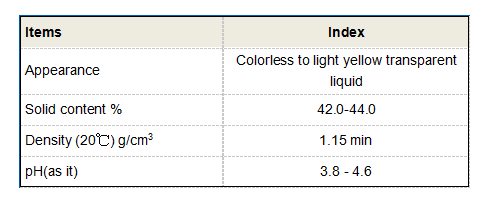
2 acrylamido 2 methylpropane sulfonic acid copolymer / aa-amps / cas 40623 75 4 / 40623 75 4: LKP BTC produces copolymers using "2-Acrylamido-2-methylpropane sulfonic acid" (AMPS). These "AA-AMPS" copolymers are highly effective dispersants and scale inhibitors, known for their superior thermal stability and resistance to hydrolysis in harsh water conditions. The CAS number for an AMPS copolymer is 40623-75-4. |
|
|
|
|
|
READ MORE
|
|
|

|
|
corrosion inhibitor injection: LKP BTC provides systems and chemicals for "corrosion inhibitor injection," a process where a precise amount of inhibitor is continuously or periodically injected into a pipeline, cooling water system, or oil well to maintain a protective chemical concentration and prevent internal corrosion. |
|
|
|
|
|
READ MORE
|
|
|
|
|
|
|
|