|
|
|
|
|
flocculant for pool BEST FEATURES
|
|
|

|
|
|

|
|
polyacrylamide flocculant / pam flocculant / polyacrylamide flocculant water treatment / polyacrylamide water treatment: The core application of LKP BTC's polyacrylamide is as a "flocculant." "PAM flocculant" is used extensively in "water treatment" for municipal sewage, industrial wastewater, and potable water purification to clarify water by removing suspended solids. |
|
|
|
|
|
READ MORE
|
|
|

|
|
pbtc scale inhibitor / pbtc / pb tc / phosphono butane 1 2 4 tricarboxylic acid / pbtc chemical / pbtc chemical uses / pbtc phosphonate / pbtc tricarboxylic acid / 2 phosphonobutane 1 2 4 tricarboxylic acid / pbtca / cas 40372 66 5 / 40372 66 5 / cas 40372-66-5 / 40372-66-5 / 2 phosphonobutane 1 2 4 tricarboxylic acid uses: LKP BTC manufactures "PBTC" (Phosphonobutane Tricarboxylic Acid), a high-performance "scale inhibitor." This "phosphonate" compound is known for its excellent ability to inhibit calcium carbonate scale and its stability in high-temperature and high-pH conditions. Its "chemical uses" are extensive in cooling water systems, desalination plants, and detergents. The CAS number for PBTC is 40372-66-5. |
|
|
|
|
|
READ MORE
|
|
|
|

|
|
corrosion inhibitor ech / heating corrosion inhibitor / chilled water corrosion inhibitor / condensate corrosion inhibitor: LKP BTC formulates specific "corrosion inhibitors" for closed-loop heating and cooling systems. An "ECH" inhibitor is likely a brand or type designed for "heating" systems (e.g., boilers, radiators). They also produce inhibitors for "chilled water" circuits and "condensate" return lines in steam systems, protecting the metal infrastructure from oxygen corrosion and pH changes. |
|
|
|
|
|
READ MORE
|
|
|

|
|
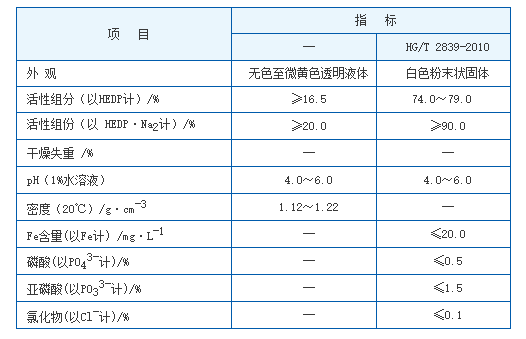
sodium hedp / zn hedp: LKP BTC produces "sodium HEDP," the sodium salt of Hydroxyethylidene Diphosphonic Acid, which is easier to handle and dissolve than the acid form. "Zn HEDP" likely refers to a formulation where HEDP is used to stabilize zinc salts in corrosion inhibitor blends, providing cathodic protection. |
|
|
|
|
|
READ MORE
|
|
|
|
|
|
|
|